18th September – 10th October
Audrey Appudurai presents microscopic images of the complex visual apparatuses of the closest living relative to all terrestrial animals, the lungfish. She attempts to bridge the perceptual worlds of lungfishes and humans by manipulating the scale of her black and white images and revealing patterns common to both. Tiny works can only be seen with handheld viewing aids or human bodies are overwhelmed by monumental abstract images of the lungfish eye. Tarsh Bates explores the relationship between humans and Candida albicans (thrush) through alternative and low tech photographic techniques which record the traces of yeast growth. She replaces the hyper-realism and truth value of microscopic still-lifes with blurred surface encounters. These works use low tech, analogue apparatuses such as the zoetrope, revolving light projectors and contact printing to explore microscopic spacetimes and evoke an experience of what it is like to be Candida. Emily Parsons-Lord’s work intercepts the aesthetics of mapping using communications technology, with traditional photographic darkroom techniques using liquid emulsion. Utilising the internet as a mode transgression, ParsonsLord retrieves potentially sensitive or dangerous information, such as the Smallpox genome or Monsanto research site, to bring ideas from the virtual and technologically encoded to the physical description of light onto emulsion. Meditating on notions of access to scientific knowledge, the work confronts the audience with it’s immediate, palpable reality in the gallery space to provoke questions of real world consequences. Devon Ward repurposes the microelectrode array, a signal interface used in neuroscience research, to corrupt digital timelapse videos that document growing neurons. This chaotic video installation is an intervention into the normative relationship between biology and technology. Instead of extending human knowledge, the limits of our perceptual boundaries are shown.
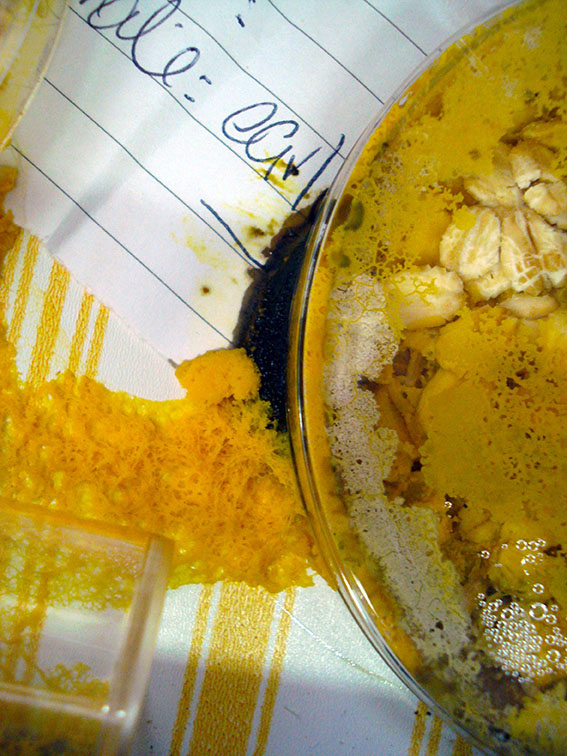
© Tarsh Bates, Slime Mould
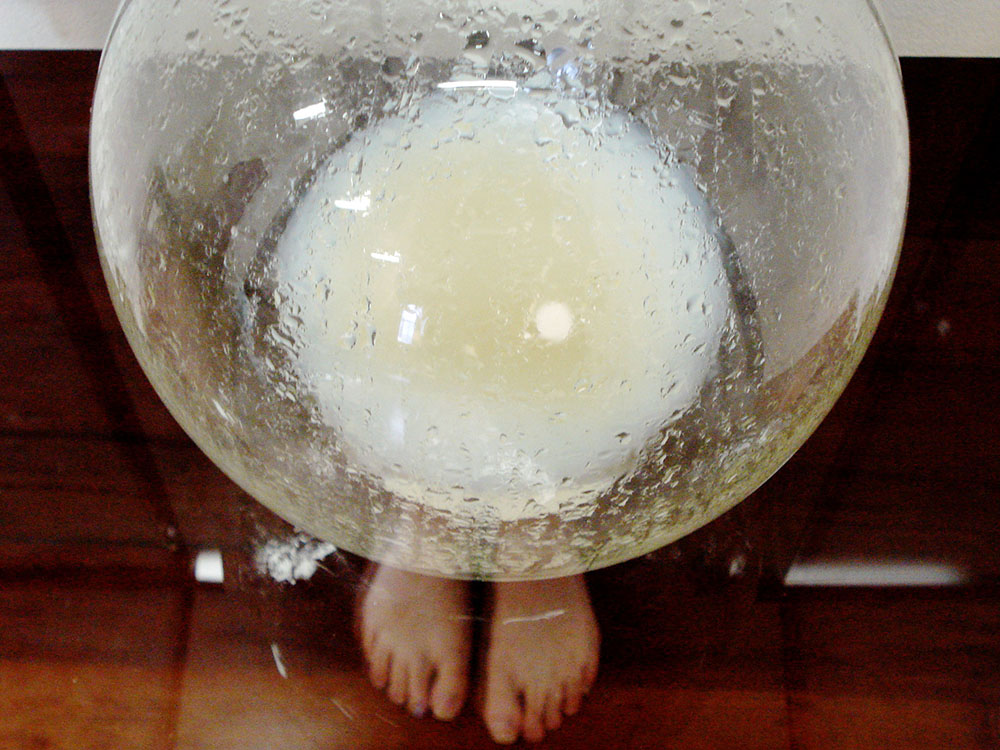
© Tarsh Bates, Self portrait with candida
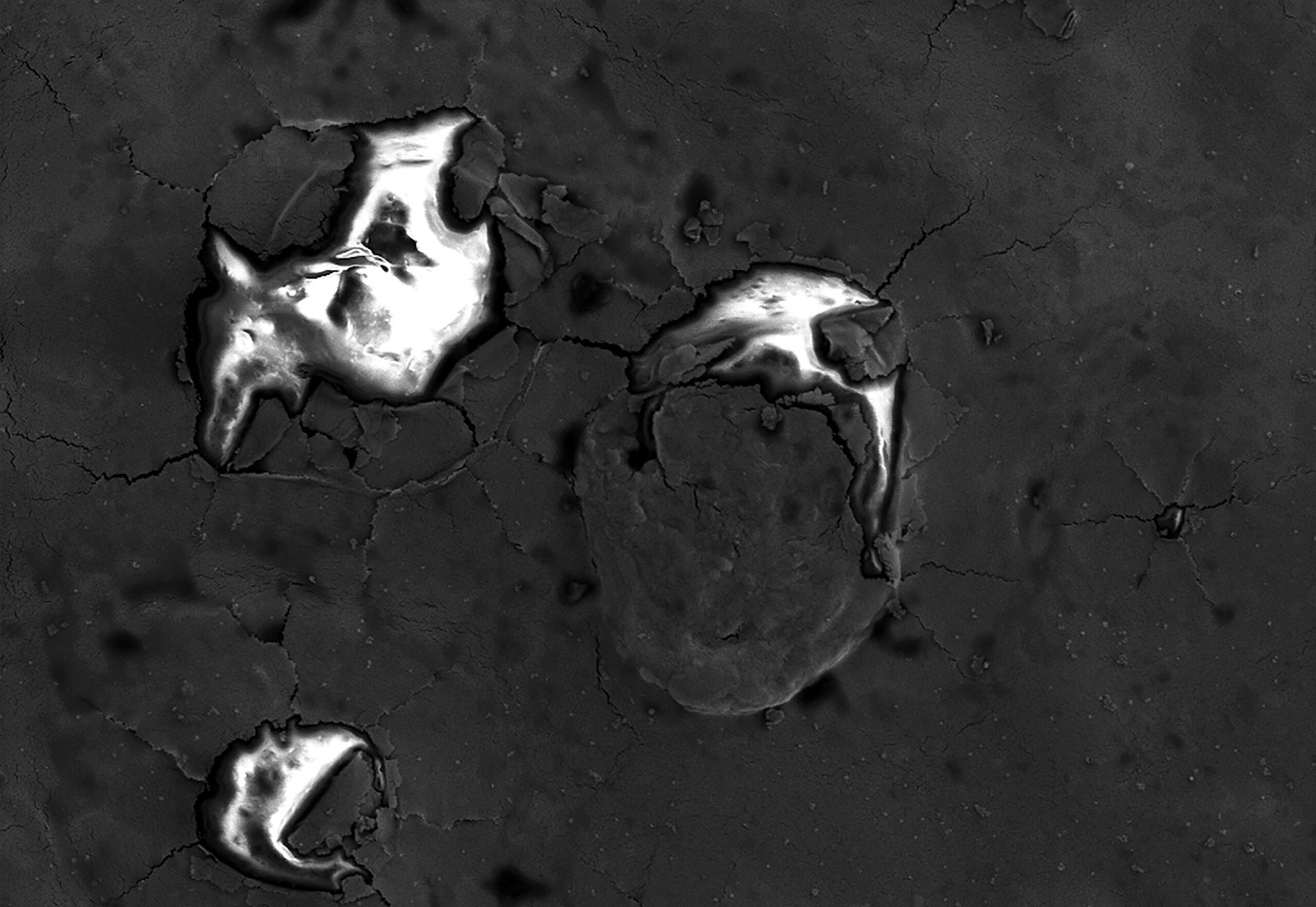
© Emily Parsons-Lord, When I look at air (traces 4)
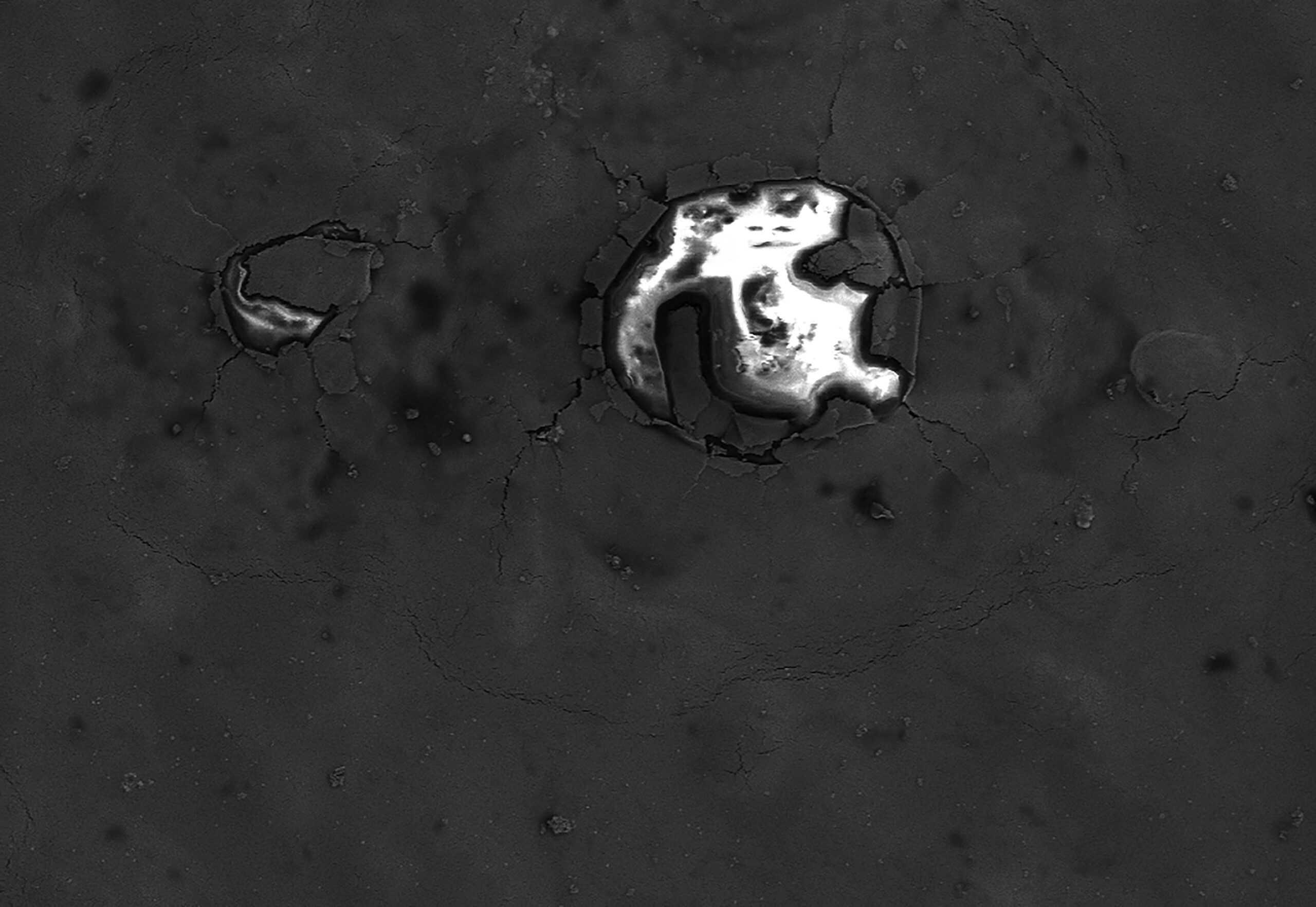
© Emily Parsons-Lord, When I look at air (traces I)
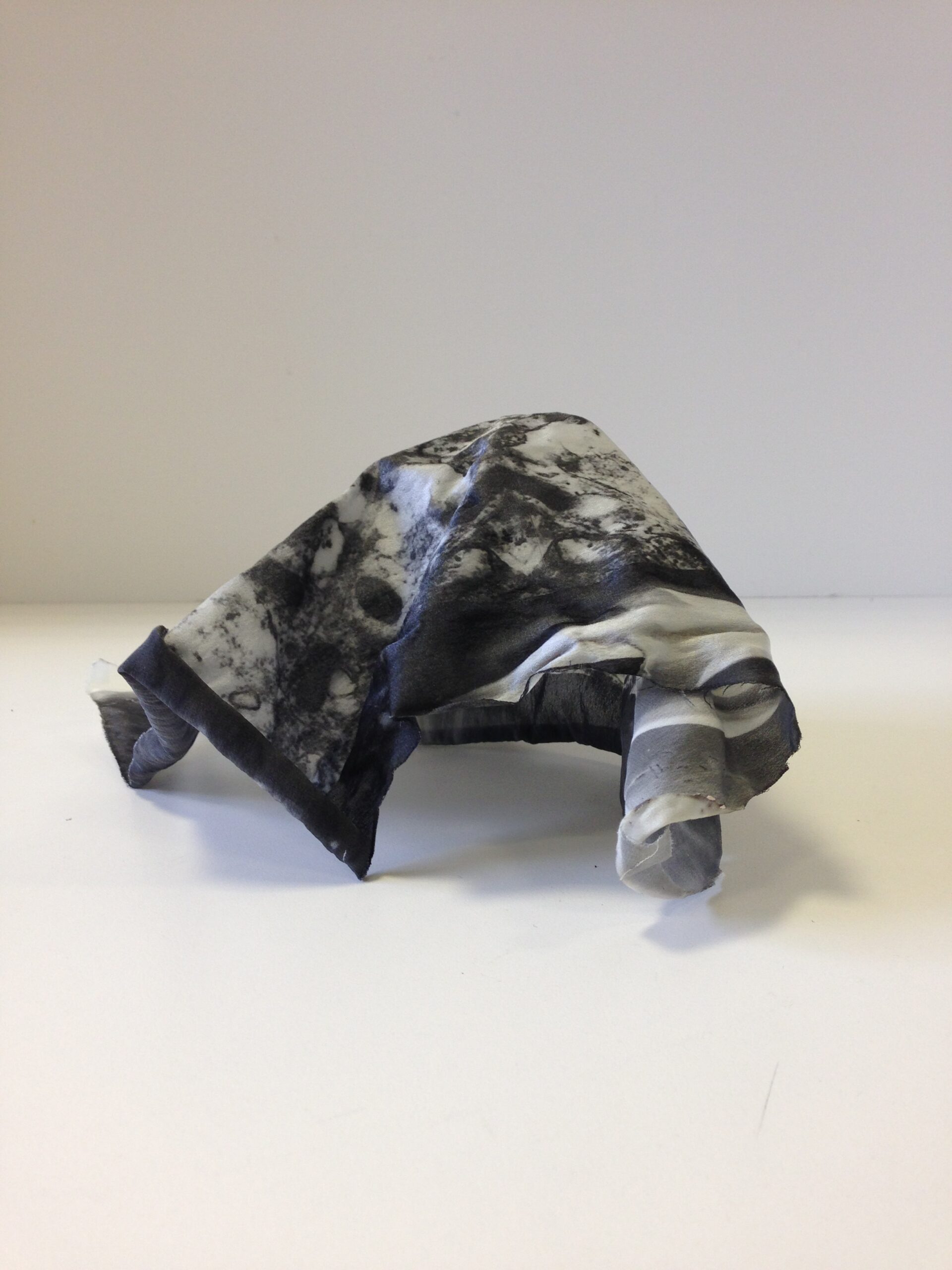
© Audrey Appudurai, Form IV
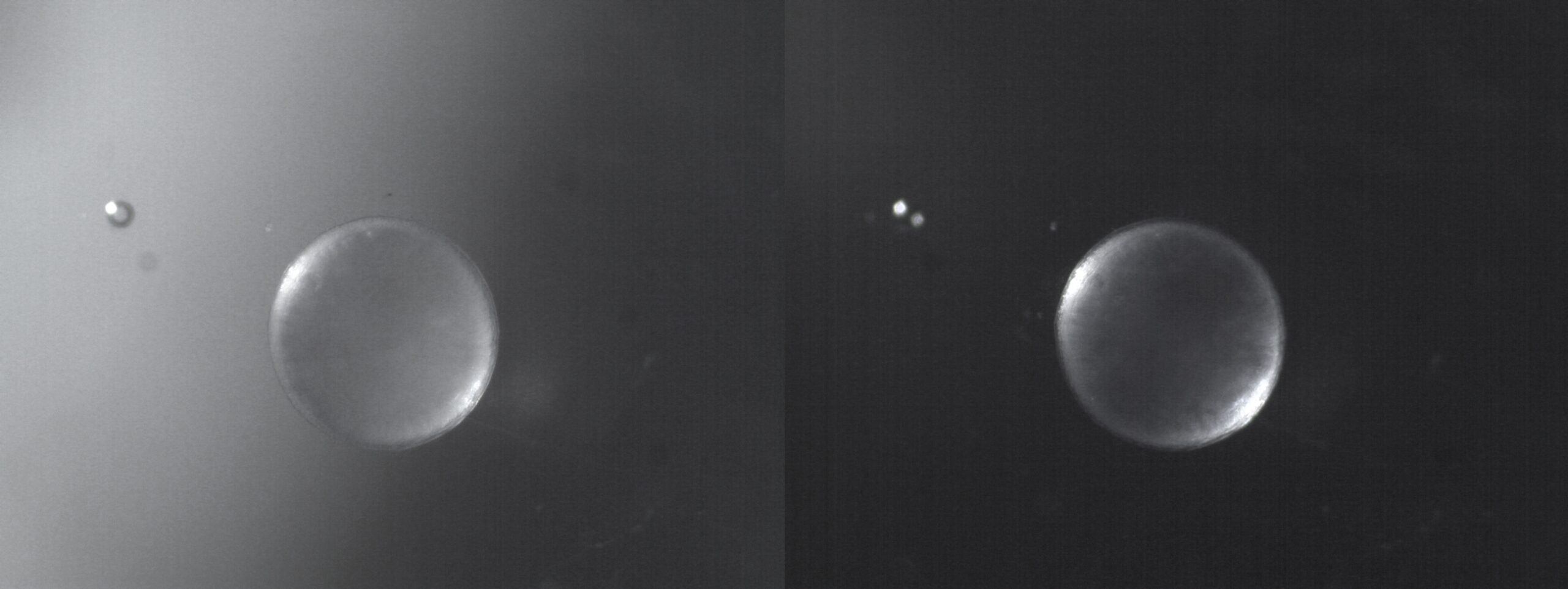
© Audrey Appudurai, In Focus