11 December – 24 January 2016
When we think of capitalism it’s the overtly economic dimensions that first come to mind. It’s less often that we think of its role in the constitution and discipline of identity—of citizenship. Capitalism does the hard sell on more than gaudy gimcracks; it harnesses us to the wheel with elusive or unattainable promises. The commodities we crave appear to differ they’re ultimately the same thing, the illusion of fulfillment.
The candy bar, the fried chicken, the new car, the primrose-clad house in the suburbs are all manifestations of the dream that capitalism uses to naturalise itself and to expand—the appealing hypnotic smokescreen that obscures the inequality and suffering on which this system depends.
If, as David Harvey (2005) argues, the goal of hyper capitalism is the restoration of the class system, then this imaginary vision of prosperity is meant to attest to egalitarian access to affluence and fulfillment for all. The media, advertising and pop culture are the factories that manufacture Soma to stupefy the masses and suffocate embers of dissent before they flare. The interminably flickering television broadcasts capitalism’s mantra—‘buy and you will be happy, spend and you will be free’.
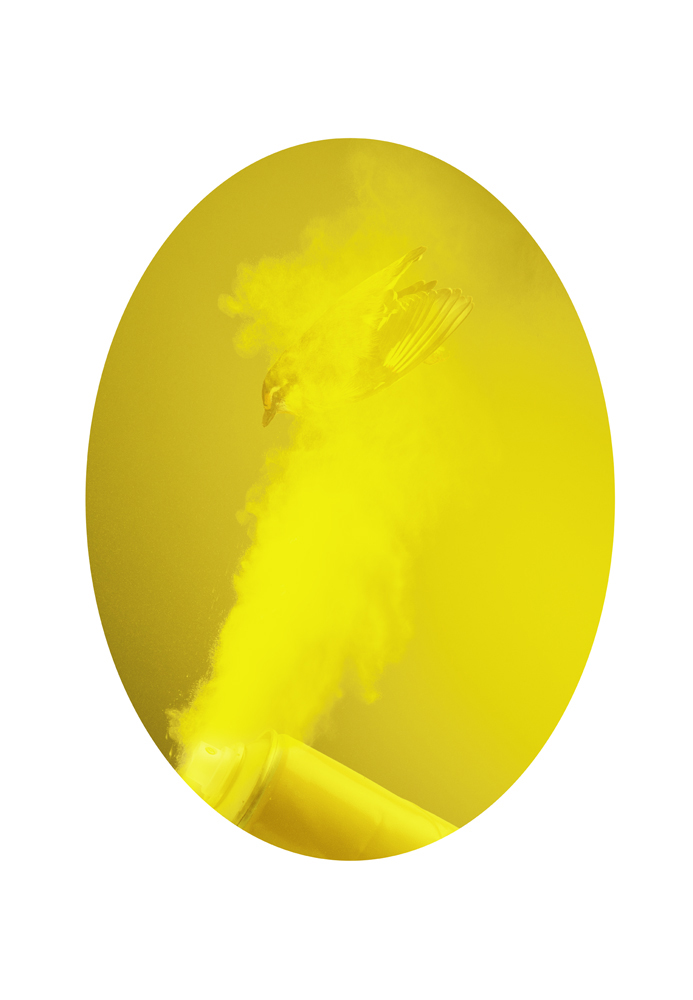
Amy Carkeek’s Australian Dream is concerned with the quotidian experience of capitalism. Those mediated, seemingly insignificant daydreams designed to shape our desires both as individuals and as a collective. The series centres on the notion of home where so many of our longings for security and fulfillment find their locus. It’s here that the industries of deception find access to receptive markets. Australia, so the story goes, is a place of comfortable suburbs comprised of large houses with cool verandahs and well-tended lawns; of apple cheeked children swinging from Hills Hoists. Our bronzed, media promoted national identity bears slim resemblance to the complex multi-cultural and disparate economic realities we inhabit. Still it’s so forcefully marketed and so deeply persuasive that we’re struck blind to its utterly fictional nature. Carkeek uses calculated artificiality and a lurid hyper real palate to disrupt the flow of deceptive embellishment that camouflages the regulatory function of the consumer images that surround us.
All that remains is a decontextualized shell voided of the carefully concealed ideological core we’ve come to take for granted. Stripped into a minimal form, the dream appears hollow, transparent, arrested, frozen or fossilized. These images represent a glitch, a viral corruption, a grim moment of recognition. A growing, inevitable disillusionment as an unsustainable system experiences the symptoms of collapse.
– DR. RAY COOK
Ray Cook is one of Australia’s most influential and significant photographic artists with a practice spanning over 20 years. Ray has published numerous books and has exhibited widely, both nationally and internationally and claims over 25 solo shows globally. 1 Harvey, D 2005, A brief history of neoliberalism, Oxford University
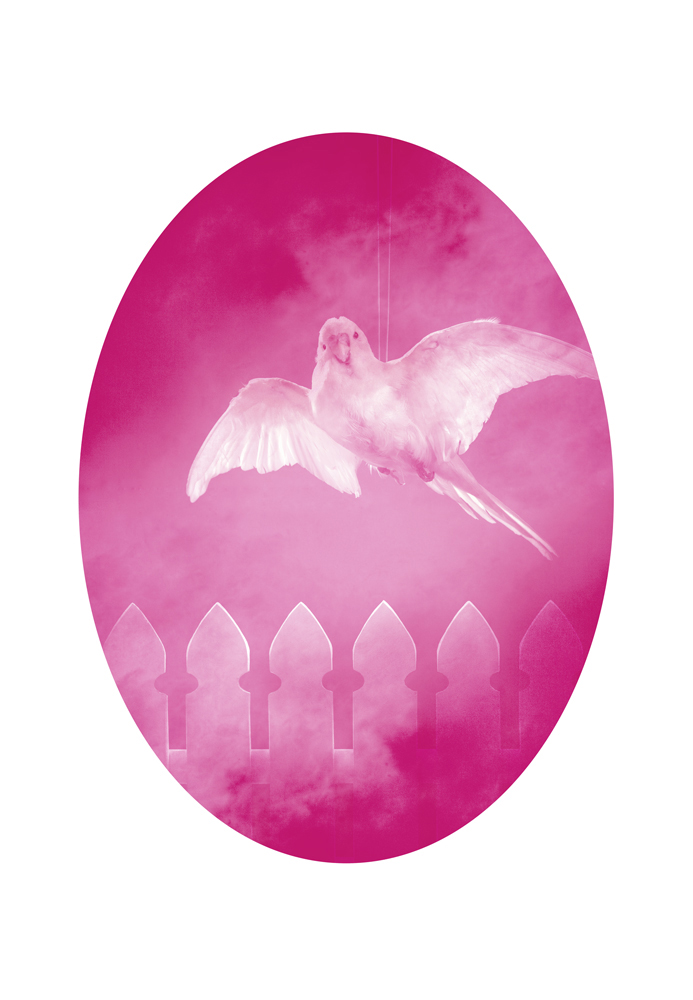
Image © Amy Carkeek, Australian Dream ‘Untitled 2’, 2016